
The Science of a Great Home: 6 Tips for an Interior That Feels Right
Your home is much more than a collection of furniture and walls. It is an expression of your inner life, and the way you design your space has a measurable effect on your mood and health. Many people furnish their home based on what they find beautiful in a shop, forgetting the scientific principles that make a space truly comfortable. In this article, we dive into six practical steps to elevate the feel of your home without spending a fortune.
The Science of Light and the Kelvin Scale
Light is perhaps the most important factor for the atmosphere of a home. Scientifically, our bodies respond to the colour temperature of light, measured on the Kelvin scale. For a warm and inviting feel, aim for bulbs around 2,700 Kelvin — just slightly cooler than candlelight. Cooler light mimics daylight and can disrupt your sleep cycle, while warm light reminds us of the safe feeling of a campfire. Alongside colour, the Colour Rendering Index (CRI) matters. Choose bulbs with a CRI of 90 or higher so that colours in your interior look natural, and your skin has a healthy glow rather than a harsh green tint.
Work in Three Dimensions for a Complete Room
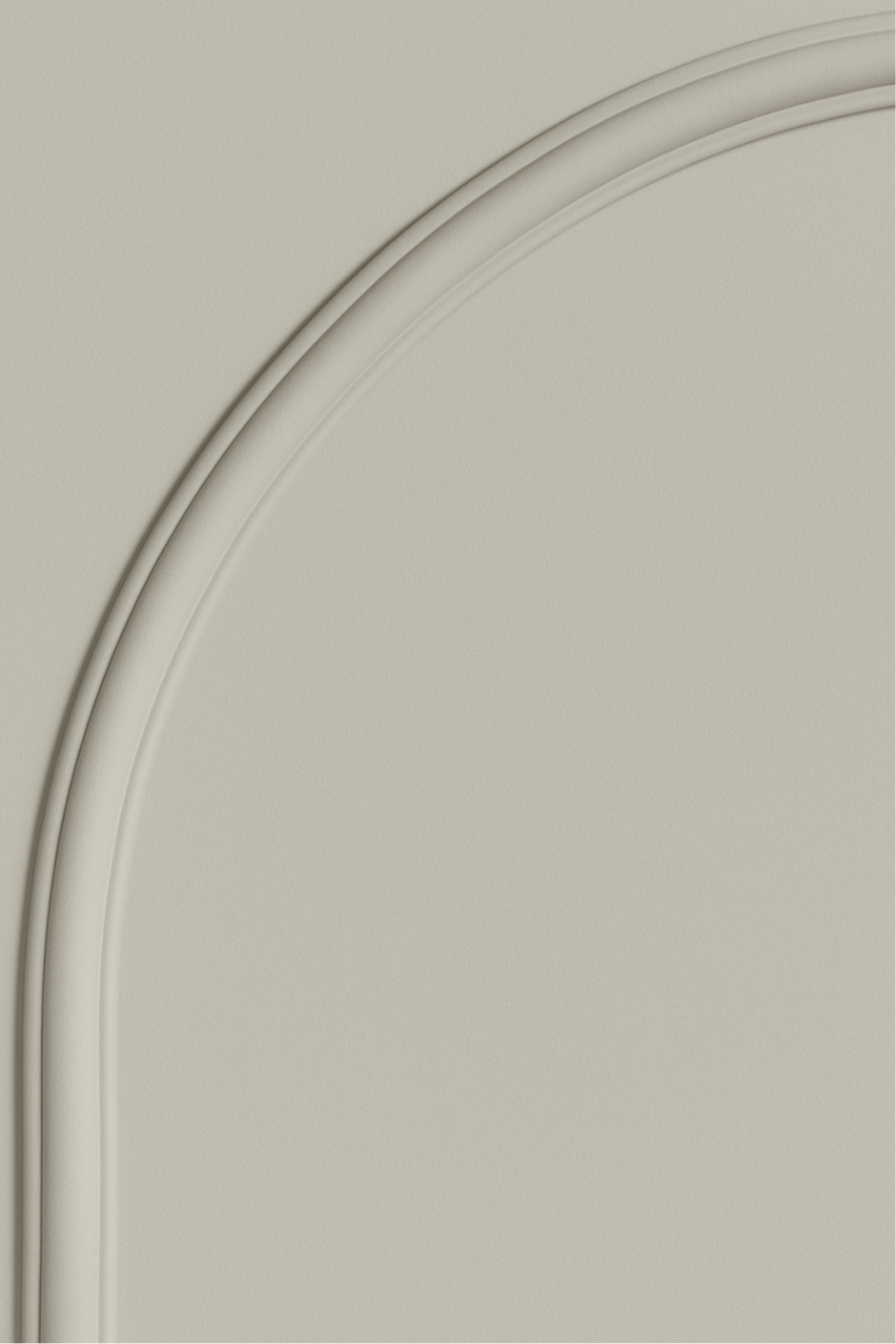
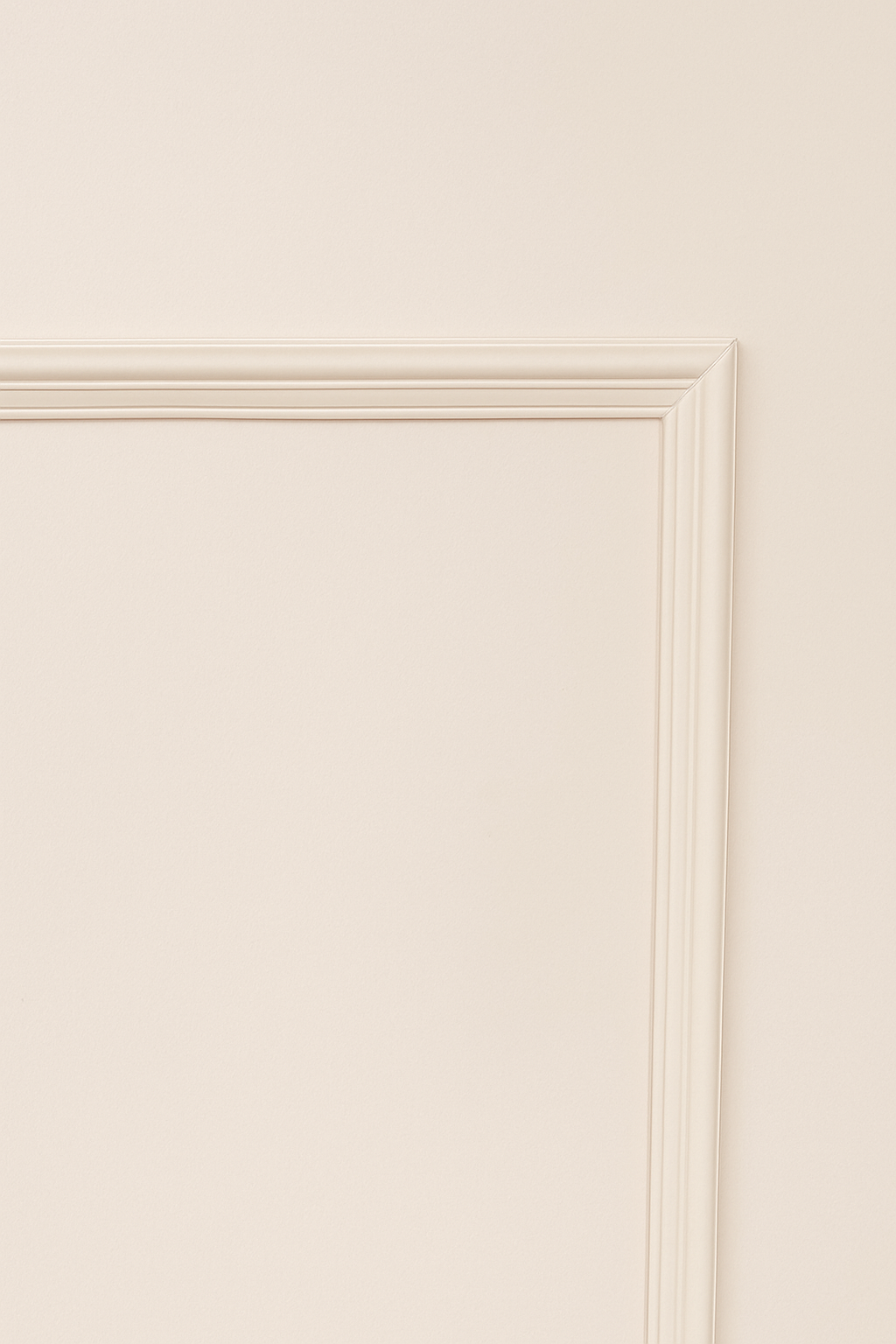
A common mistake is only furnishing the lower half of a room. This makes a space feel flat and unfinished. To break this pattern, actively involve the walls and ceiling in your design. Hang curtains at least fifteen centimetres above the window frame, letting them just graze the floor for a stately effect. Wall décor also plays a major role here. By using Velida's Nova or Classic mouldings, you add texture and height to bare walls. This forces the eye to look upward, making the room feel immediately larger and more luxurious.
Choose Organic Materials for Psychological Comfort
The materials in your home send subconscious signals to your brain. Organic materials such as wood, wool, linen, and cotton convey a sense of timelessness and familiarity. As humans, we have had these materials around us for thousands of years, which is why they calm us. Synthetic fabrics and metals can be beautiful for accents, but an excess of them makes a space feel cold and sterile. The right balance of natural textures and clean elements creates an interior that not only looks beautiful in a photo, but genuinely feels good to live in.
Design for Actions, Not Decoration
Instead of thinking about how a room should look, it helps to think about how you actually use it. This principle is central to "The Interior Design Handbook" by Frida Ramstedt, a standard reference for modern designers. Don't place a reading lamp in a corner because it looks nice there — put it next to the chair where you actually read. Also consider the command position: arrange furniture so you have a view of the entrance. This gives an unconscious sense of safety and calm, allowing you to truly relax on your sofa or in your bed.
The 80/20 Rule for a Clear Mind
Clutter is the greatest enemy of good design. A useful guideline from the interior world is the 80/20 rule for storage. Ensure that eighty percent of your belongings are stored out of sight, in cabinets or baskets. The remaining twenty percent may be visible, as long as those items are practical, beautiful, or personal. By tidying away stray keys, post, and cables, you create visual calm. When the base of your home is organised, architectural details like your mouldings and artworks really get a chance to shine.
Conclusion
By taking light, materials, and the logic of your daily movements into account, you transform a house into a personal sanctuary. Adding vertical lines and texture with Velida's self-adhesive products is a simple way to apply these principles directly. Whether you want to accentuate an arch or give a plain wall more depth, the right details make the difference between a house and a home. Browse our range of mouldings and discover how a small addition can achieve a big result.