
The Japandi Style Guide: Peace, Simplicity and Elegance in your Interior
In this Japandi style guide:
In a world where everyday life is becoming increasingly busy, many people are looking for a home that exudes calm and balance. Japandi offers just that: a harmonious fusion of the minimalist elegance of Japan and the warm coziness of Scandinavia. This interior design trend combines clean lines with natural materials and neutral colours with functional design, resulting in a serene and stylish living environment. In this guide, we’ll take you through the essential elements of the Japandi style and show you how to use easy-to-apply details like flexible mouldings to create an interior that feels both elegant and personal.
What is Japandi?
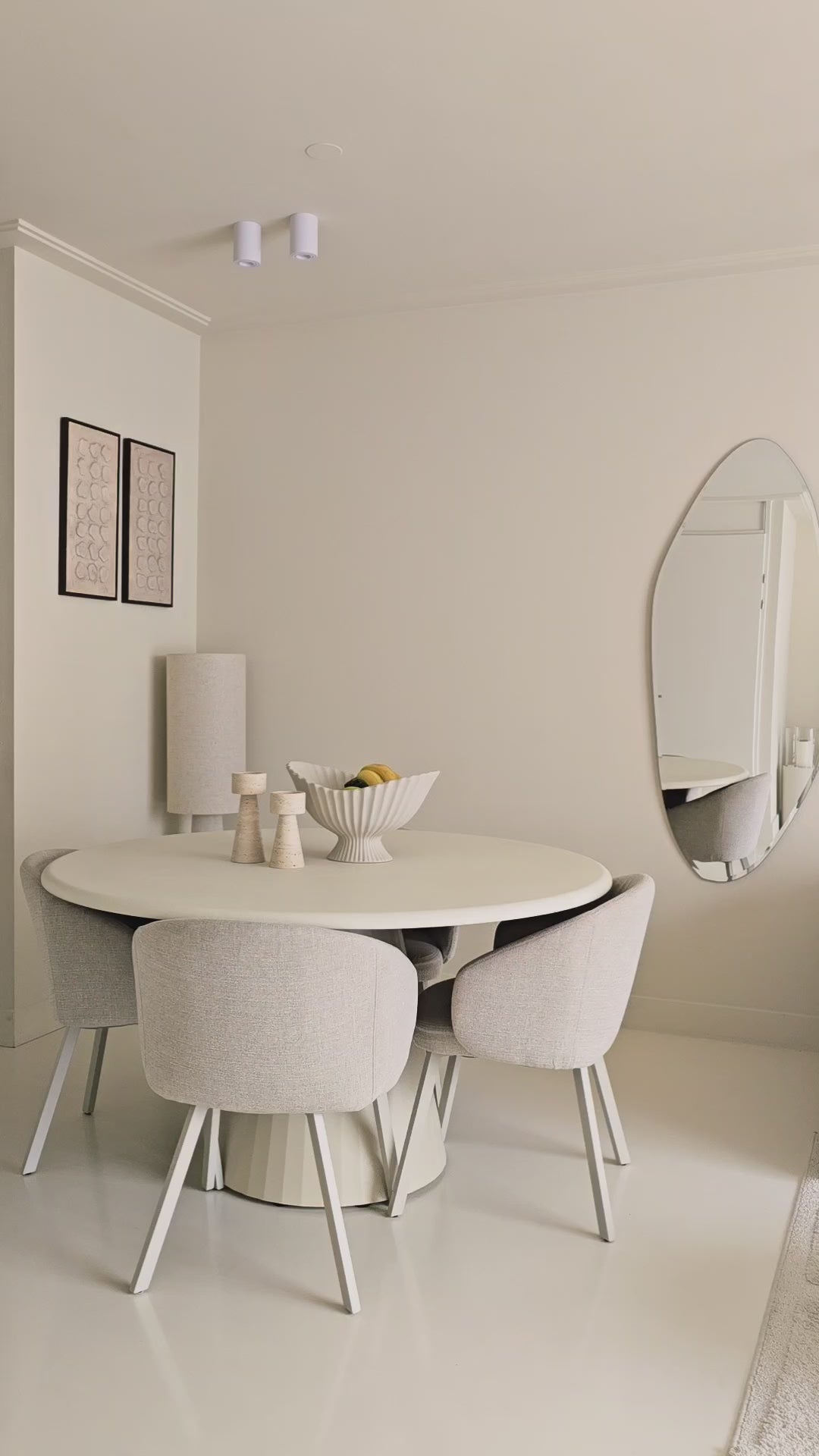
Japandi is a hybrid interior style that fuses minimalist, wabi-sabi -inspired Japanese design with the warm, functional coziness ( hygge ) of Scandinavia. Characteristic are calm neutral tones, many natural materials (wood, bamboo, linen) and a sophisticated balance between simplicity and comfort, making interiors feel both serene and inviting. More background on the philosophy, color palettes and practical styling tips can be found in our extensive guide “Japandi explained – The perfect balance between warm and minimalist” .
Why is Japandi a good fit for you?
Do you recognize yourself in the need for peace, simplicity and a homely atmosphere? Japandi offers exactly this. The style appeals to people who strive for a calm but stylish interior, without complexity or excess. Ideal for anyone who seeks balance, but does have an eye for aesthetics and functionality.
Characteristics of the Japandi style
- Color palette – soft, neutral tones such as beige, taupe, sand, off-white and subtle earth tones.
- Materials – Natural materials such as wood, stone, bamboo, linen and cotton.
- Furniture – sleek, minimalist and functional design with an emphasis on comfort.
- Accessories – subtle and thoughtful; think handmade ceramics and simple wall decor.

Why Velida Flex frames fit perfectly in a Japandi interior
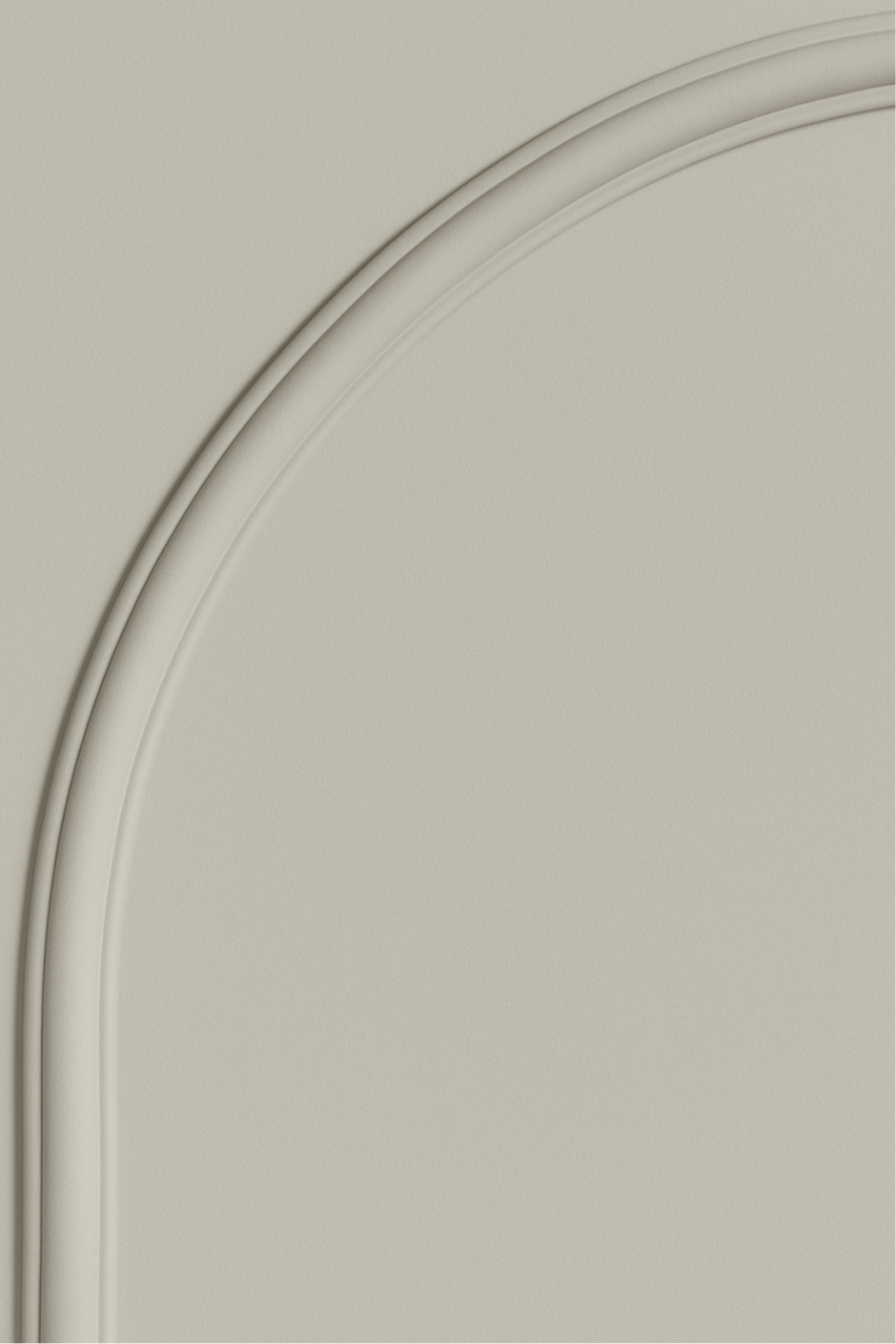
Velida Flex frames are a perfect match for Japandi, combining simplicity with refined aesthetics. Their flexibility allows you to effortlessly create soft arches or sleek frames, perfectly matching the organic lines of this style. They are self-adhesive and paintable, ideal for a quick makeover. Check out our detailed installation guide.
Japandi vs. Scandinavian vs. Japanese interior
| Aspect | Japandi | Scandinavian | Japanese |
|---|---|---|---|
| Design | Minimalist, warm, soothing | Minimalist, bright, light | Minimalist, zen, soothing |
| Materials | Wood, bamboo, linen, stone | Wood, glass, wool | Wood, paper, stone |
| To colour | Earth tones & neutral | White, pastel | Earth tones, black and white |
| Decoration | Subtle & refined | Functional | Simple & understated |
Step-by-step guide: create your own Japandi interior
- Neutral base: paint walls and floors in soft earth tones.
- Natural furniture: choose minimalist wooden furniture.
- Flexible Mouldings: Add arch or frame details with Velida Flex Mouldings.
- Accessories: use handmade ceramics, subtle art and linen textiles.
- Less is more: keep the space tidy for harmony and simplicity.
View the Flexlijsten collection →
Inspiring examples of Japandi interiors
Be inspired by interiors with soothing colours, natural materials and organic shapes. From serene bedrooms with linen bedding to minimalist living rooms with subtle wood accents – check out our inspiration gallery for more ideas.

Frequently Asked Questions (FAQ)
1. What is the biggest difference between Japandi and pure Scandinavian interior?
Scandinavian design focuses on light wood, white and pastel, while Japandi adds warmer earth tones and the wabi-sabi philosophy – imperfection should be seen.
2. Can I combine Japandi with an accent color?
Yes, choose one muted shade (sage green or terracotta) and use it sparingly in textiles or ceramics to maintain tranquility.
3. Which paint colors match Japandi moldings best?
Beige grey ( greige ), warm taupe or lime paint in sand tones. Paint the frames tone-on-tone or just one shade darker for subtle contrast.
4. Are flexible moldings suitable for damp areas?
Yes, Velida Flex frames are moisture-resistant. Use mold-resistant sealant and moisture-resistant paint for the finish.
5. How do I maintain Japandi walls with moldings?
Dust with a soft cloth or feather duster. Remove stains carefully with a slightly damp microfiber cloth.
6. Does Japandi fit in smaller apartments?
Definitely – minimalism prevents visual clutter. Use slim frames and multifunctional furniture to make the most of the space.
Conclusion
With Japandi you create an interior that breathes peace and simplicity. Flexible moldings give it a subtle, personal elegance. Discover our collection or contact us for personal advice.